
🍁 Why We Fall for Fall
The Surprising Psychology of Why We Love Autumn — and How to Make the Most of It


Ask Americans their favorite season, and fall wins by far. In a recent survey, 41% named autumn their favorite—well ahead of spring (24%), summer (24%), and winter (11%). When asked why, fall lovers pointed to fall foliage (63%)—the ombré-gorgeousness of warm shades of red, yellow, and orange leaves bathed in glowing golden autumn light—as well as Thanksgiving (58%), fall weather (56%)—the perfection of crisp, fresh air, and fall foods (50%): think apple pie, cider, cinnamon-infused treats, hearty soups, and roasted vegetables. And for some, yes, pumpkin spice lattes. Others mentioned cozy clothing (hello, sweater weather), Halloween, football, and back-to-school season as part of what makes autumn feel special.
But psychologists say our collective infatuation with fall runs deeper than nostalgia. Cooler air and golden light invite both awe and calm. Nature models change beautifully—and our brains respond in kind, slowing down, seeking warmth, and turning toward connection.
Here’s what science reveals about our affection for autumn and how to make the most of it.
1. Light changes, and so do we
As days shorten, our circadian rhythms shift. The drop in sunlight can lower serotonin, which helps explain why some people experience Seasonal Affective Disorder (SAD)—a form of depression triggered by limited daylight. Studies show that even brief exposure to bright light, especially in the morning, can help boost mood, focus, and alertness by influencing serotonin, melatonin, and circadian rhythms. According to the Cleveland Clinic, just 10 to 30 minutes of sunlight can boost mood and improve sleep. Researchers at Stanford’s Huberman Lab have highlighted how viewing morning light can have powerful effects on mental health, physical well-being, and cognitive performance. You can also try light therapy via a clinically approved light box.
Consider this: Treat daylight like a daily vitamin—take a brisk morning walk or work near a bright window.
2. Comfort isn’t indulgent, it’s regulating
Research shows that awe, such as when we experience the beauty and vastness of nature, can diminish our usual self-focus, widen our perspective, and increase openness to change, meaning-making, humility, and gratitude. Lighting a fire, simmering soup, or pulling on a soft sweater aren’t trivial—they’re sensory cues that calm the nervous system.
In a study co-authored by Yale psychologist John Bargh and published in Science, participants who briefly held a warm drink rated others as friendlier—suggesting that physical warmth enhances feelings of social warmth. As Yale News explains: “People judged others to be more generous and caring if they had just held a warm cup of coffee and less so if they had held an iced coffee. In a second study, they were more likely to give something to others if they had just held something warm—and more likely to take something for themselves if they held something cold.”
Consider this: Create a nightly “transition ritual”—light a candle, make tea, or play quiet music—to signal safety and restore balance.
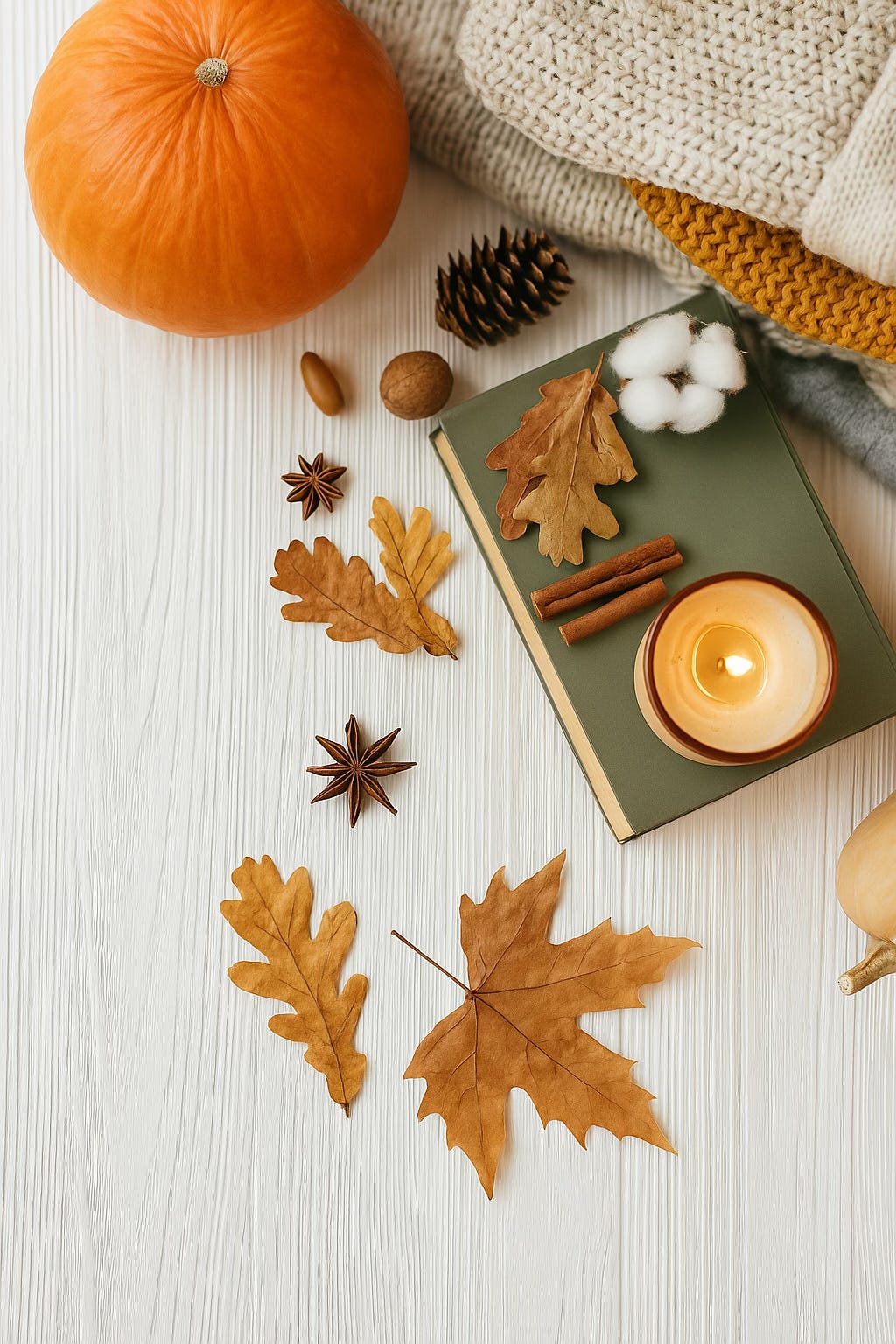
3. Surround yourself with symbols of belonging
Humans use their surroundings to signal connection. Environmental psychologists note that décor can influence well-being and send cues: personalized or seasonal details can make homes feel warmer, more open, and more welcoming. The look and feel of a living space shape how restorative and socially engaging it feels. Whether it’s a fall wreath, soft lighting, or a table set for friends, small visual cues can communicate warmth and community.
Consider this: Don’t skip decorating—it’s not frivolous; it’s an invitation to connection.
4. Plan connection—with realism
Fall invites togetherness, but the holidays can also stir stress or disappointment. Social psychologists note that the most restorative plans are intentional and flexible—grounded in meaning and connection rather than obligation. Shared meals, volunteering, or neighborhood gatherings can help replenish the oxytocin and dopamine that come from genuine social bonds. Practicing gratitude, reflection, and self-kindness also strengthens emotional well-being, especially when expectations run high.
Consider this: Mix family traditions with lower-pressure gatherings among friends or community groups. Connection doesn’t have to be perfect—just authentic.

5. Let the season show you the beauty of change
As autumn deepens, fall reminds us that release and renewal can coexist. Research shows that awe involves a diminished focus on the self and increases meaning and social connectedness—a phenomenon sometimes called the “small-self” effect. Experiences of awe, often found in nature, help people feel part of something larger, easing anxiety about change.
Consider this: On a walk, notice one thing that’s fading—a leaf, a sound, a light. Let it remind you that endings can also be beginnings.
Our love of fall isn’t just about pumpkins or sweaters; it’s about alignment. With nature. With each other. With the quiet truth that comfort and change can coexist. As the air cools and the light turns golden, nature reminds us that slowing down isn’t stagnation, it’s preparation for renewal. And a good slice of apple pie or a fresh cider (my personal preference over the, yes, ever-so-popular, pumpkin spice latte) makes it all the more pleasurable.
For more stories at the intersection of science, culture, well-being, and joy, subscribe to Well Happy Thrive—where the art and science of living well meet every week.
Disclaimer: This publication is for general informational and educational purposes only and is not intended as medical, psychological, or other professional advice. The content reflects personal and editorial perspectives and should not be used to diagnose, treat, or prevent any condition. Always consult a qualified healthcare or mental-health provider before making changes to your health, wellness, or treatment plan.
Well Happy Thrive and its contributors make no representations or warranties about any products, services, or treatments mentioned. If affiliate or sponsorship links are included, they do not influence editorial content, and all recommendations are based on independent judgment.